
The textile industry is an environmental headache from start to finish. From the environmental impact of monoculture farming to poor working conditions, rising consumption rates, and the lack of proper disposal for clothing at the end of its life, the challenges just keep adding up.
In this post I’ll focus on the last two points starting with consumption side of things. According to Earthday.org, “the average person today buys 60 percent more items of clothing than they did 15 years ago, but keeps them for only half as long.” With this increased demand, clothing production has actually doubled since 2000! Recently, we’ve also seen the rise of ultra-fast fashion brands like SHEIN and Temu, where micro-trends come and go faster than ever. These brands churn out clothes that are often only meant to last 10 to 15 washes, making durability a thing of the past.
Now, think back to a time when textiles were more precious. A single piece of cloth was repurposed over and over again—maybe a curtain became a child’s dress, then those scraps were turned into a quilt, and whatever was left became cleaning rags. These days, though, it feels like everything has its own single purpose: clothes to wear, rags to clean, and not much in between. And when is something truly and “end of life” textile for us? For some, it’s when it’s full of holes. For others, it’s simply out of style.

Most of the time, the life cycle of our clothes goes like this: we buy something, wear it a few times, and either toss it in the trash or donate it. Of course, donations are great, but did you know that 87% of clothing (around 40 million tons) still ends up in landfills? The Guardian even highlighted this issue with an eye-opening fashion show organized by Desierto Vestido in a Chilean clothing landfill. That really paints a picture, doesn’t it?
What’s difficult as well is that textile recycling isn’t keeping up with the amount of clothes we’re throwing away. Only 1% of discarded clothing is recycled! There are a few reasons for this: first, many countries don’t have systems in place to separate textiles in waste streams. And second, most of our clothes are made from a blend of materials, which makes recycling tricky.
While cutting back on how much clothing we buy is essential for protecting the environment, we also need to figure out what to do with the massive amount of textiles already out there.
Thankfully, some solutions are on the horizon! Europe is stepping up by requiring EU countries to collect textiles separately by 2025. France has introduced a great incentive program where you can get up to 25 euros to repair your clothes, making it cheaper to fix something rather than buy new. It’s all about slowing the flow of clothing to landfills.
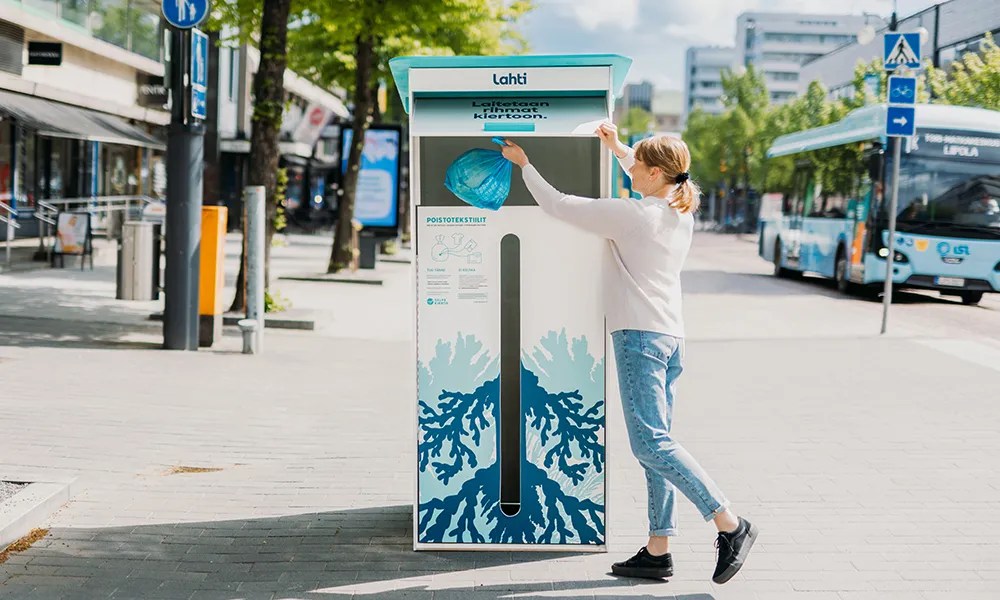
In Lahti, Finland, residents have been encouraged to recycle textiles since 2023. In exchange, they receive vouchers for local coffee shops or pool passes. If the textiles can’t be reused in the second-hand market, they’re recycled into new raw materials that can be repurposed for all sorts of things, like clothing, cleaning products, insulation, and even furnishings.
I’m excited to see more initiatives like these pop up, but there’s still a long way to go. If you know of any cool projects or solutions, please share them in the comments—I’m always on the lookout for fresh ideas to tackle this growing problem!


 Gigi On Earth
Leave a comment